Saturday, February 9, 2013

The Final Frontier of Diet: How to Get Rid of Stubborn Fat - My Mad Methods

Ori Hofmekler, The Final Frontier of Diet: How to Get Rid of Stubborn FatThe Final Frontier of Diet: How to Get Rid of Stubborn Fat


Stubborn fat is a major problem for many people today. It doesn’t matter if they are trying to get rid of it through various diets or different exercise routines—the fact is, this fat remains and seems impossible to remove. That’s why it’s called stubborn fat. I’m not aware of any diet that seriously addresses this problem.

Liposuction is the most popular method today of removing stubborn fat. Liposuction sucks out fat tissues through surgery. This can be dangerous, or even fatal, and it often doesn’t solve the problem because the fat may indeed return in the very places it inhabited before liposuction. Such extreme measures just show how desperate people are. This is a multimillion-dollar industry today.

There are natural, noninvasive ways to remove stubborn fat. To understand how to deal with this problem, let me explain:
  1. What stubborn fat is
  2. Why we have it
  3. How to prevent it
  4. If you have it, how to get rid of it
What is Stubborn Fat?

Stubborn fat is a slow-metabolized adipose (fat) tissue. To burn fat, a natural hormonal process has to take place. When a fat-burning process is activated, the adrenal hormones (adrenaline and noradrenaline) bind to special receptors in the fat tissues. There are two major groups of receptors in the fat tissues, alpha and beta. The beta-receptors are the more active ones, which respond to the adrenal hormones. Fat burning occurs when the adrenal hormones activate the beta-receptors in the fat cells. If these receptors are not activated, no fat will burn off.

Stubborn fat has a lower ratio of beta-receptors to alpha-receptors. As a result, it’s metabolized slowly and does not respond to the adrenal hormones. To make matters worse, stubborn fat has more estrogen receptors in the tissues. Estrogen (the female hormone), once bound to the receptors, causes even more fat gain.

There’s much more to it, but I don’t want to make this very complicated and too scientific. So for now, let’s just say that stubborn fat presents three major problems:
  1. It doesn’t have a high enough ratio of beta-receptors to alpha-receptors, so doesn’t respond to adrenal fat-burning stimulation.

  2. It has more estrogen receptors, which accelerates fat gain.

  3. And, on top of all this,
  4. Stubborn fat doesn’t have a healthy blood circulation. These slowly metabolized fat tissues have fewer blood vessels than a normal fat tissue, and consequently it makes this fat slower to metabolize and, therefore, more stubborn or difficult to remove.
What Causes Stubborn Fat?

There are many reasons for having stubborn fat. Both men and women may suffer from it as a result of maintaining an unhealthy diet, from the liver’s inability to break down and detoxify estrogenic derivatives, or due to sensitivity to certain foods or chemicals within foods. Fat gain has also been associated with insulin insensitivity and over-consumption of carbohydrates. Consuming too many carbohydrates—especially sugar and overly-processed, refined carbs—places pressure on the pancreas to overproduce insulin in order to lower blood sugar levels. Hyperinsulinemia causes insulin insensitivity. When this happens, the body converts these extra carbohydrates into triglycerides and fat.

Deficiencies in certain nutrients, vitamins, and minerals—such as B vitamins, chromium, magnesium, zinc, and omega 3 essential fatty acid (alpha-linolenic acid)—may also cause insulin insensitivity and compromise fat metabolism in cellular mitochondria (compounds in the cells that are responsible for energy production and fat burning).

Stubborn fat can be linked to protein deficiencies as well. Vegetarians and vegans are more likely to suffer from protein deficiencies, and especially to the essential amino acid lysine. Lysine, abundant in animal proteins but less so in grains, converts in our bodies to L-carnitine. L-carnitine is an amino acid essential for the fat-burning process. L- carnitine appears only in animal foods, especially red meat. Without enough L-carnitine and carnitine-related enzymes in your system, the ability to burn fat is severely compromised.

Stubborn fat can be an age-related problem for men. The older men get, the more testosterone is converted into estrogen—this process is called aromatazing. The older you get, the more the aromataze enzyme is active. Fat tissues produce aromataze enzymes and therefore accelerate the aromatazing action, which converts testosterone into estrogen. There are natural ways that may block this aromatazing process. We’ll discuss them soon.

Women usually suffer from age-related stubborn fat around their hips, thighs, and butt. Some women have stubborn-fat tissues around their upper arms or entire legs. Age-related stubborn fat for women may be the result of hormonal fluctuations, or an increase in estrogen receptors in the tissues. Moreover, age-related insulin insensitivity, chronic stress, liver congestion, low thyroid, vascular permeability, and exhausted adrenals may all make the syndrome even worse for both men and women.

How to Prevent Stubborn Fat

There are several things you can do to avoid stubborn fat:
  1. Stay away from crash diets or diets that make you lose fat and gain it again. Second-generation fat is more stubborn than the first. The more you fluctuate with your weight, the more stubborn fat you may gain.

  2. Avoid consuming foods that you may be sensitive or allergic to. Some people react to certain foods, such as wheat, dairy, or soy. If you suspect this may be the case, get yourself checked for food sensitivities.

  3. Eat as much organic food as possible, thereby avoiding many estrogenic substances that are in our food supply, like petroleum and other chemically based fertilizers, pesticides, and herbicides (found in nonorganic produce), and hormones, which are found in nonorganic meats, poultry, dairy and eggs.

  4. Drink pure, filtered water. Don’t drink or cook with tap water that is unfiltered.

  5. Try to minimize the purchase, consumption, and storage of food, water, and other beverages or liquids that are wrapped or bottled in plastic (particularly soft-plastic bottles and containers). If the food or liquid smells like plastic, stay away from it.

  6. Minimize your alcohol consumption. Excessive alcohol may compromise your liver’s ability to break down and detoxify estrogenic derivatives. When not broken down and detoxified, these estrogenic toxins penetrate the blood and cause unpleasant symptoms like bloating, water retention, and stubborn-fat gain. If these toxins remain unchecked, they may cause chronic diseases, and even cancer.

  7. Control your insulin. Naturally minimize the amount of carbohydrates you ingest by having carbs as the last component of your meal. If needed, supplement yourself with all essential nutrients necessary for stabilizing your insulin, such as essential fatty acids, vitamins, and minerals.

  8. Follow a steady exercise routine. A comprehensive diet and exercise routine is the first defense against stubborn fat. Exercising boosts the metabolic rate, reduces stress-related symptoms, and thus accelerates the diet’s effects. However, avoid overtraining. Chronically overstressing your body may cause the opposite effect and slow down your metabolic rate.
Plastic is a very controversial issue. Its use is widespread in packaging all types of food and beverages, and many oils. Most of these plastic bottles are made from polyethylene (a type of plastic that’s been shown to be acceptably safe packing material for foods and oils). However, there are plastics used on the market today for packaging food that are toxic.

Udo Erasmus, the "Healthy Fat Guru," says that many plastic fibers contain toxic estrogenic chemicals that are dangerous to our health. In my opinion, avoiding plastic all together would be very impractical and almost impossible today given how widespread it is. Therefore I recommend that everyone do their best to check what type of plastic packaging is used before buying and consuming products wrapped or bottled in them. And, as noted above, you can use your senses. If anything edible smells like plastic, stay away from it. Moreover, acid-based foods, such as lemon juice, vinegar, tomato sauce, and wine shouldn’t be packed or stored in plastic containers, since acid is more reactive with certain plastic materials. A few safety measures I use are:
  1. Cut away a small amount of the outer edge of foods that are wrapped in plastic, such as cheese.

  2. Store food and beverages in glass or ceramic containers.
To sum up how to prevent stubborn fat:
  1. Avoid weight fluctuations.
  2. Avoid foods you are sensitive or allergic to.
  3. Minimize consumption of nonorganic foods.
  4. Drink clean, pure water.
  5. Be conscious of plastic packaging. Most are safe, but some may be toxic.
  6. Avoid excessive alcohol consumption.
  7. Control your insulin and minimize carbohydrates.
  8. Follow a steady exercise routine.
How to Get Rid of Stubborn Fat

If you suffer from stubborn fat (men usually have it around the belly and the chest; women around their hips, butt, and thighs), and you want to get rid of it, you should also consider trying natural supplements that may help you burn it off.

Natural Stubborn-Fat Busters
  • Estrogen Blockers: Citrus Bioflavonoids and Soy Flavones
Citrus bioflavonoids contain some natural properties that may block estrogen. Citrus flavonoids are abundant in the white, spongy layer of citrus peels.

Soy flavones contain mild estrogenic properties. Most people are not affected by this mild estrogenic stimulation. Soy flavones bind to the estrogen receptors in the tissues, and thus block these receptors from estrodiol, the most potent estrogen hormone. Estrodiol is called the "bad estrogen" because of its occasionally powerful effects on the body, such as bloating, water retention, fat gain, feminization of men (such as "bitch tits"), fat under the skin, and stubborn fat gain around the chest and the belly.

Experiments conducted in Italy have shown that combining citrus bioflavonoids with soy flavones was a most powerful, natural way to block the estrogenic effect on the body. Adding citrus bioflavonoids to soy flavones created a more powerful defense against estrogen than taking soy flavones alone. It’s popular today to take soy flavones as a natural preventative aid against estrogen-related cancers, but I feel the above combination is much more potent. You can find both in health food and specialty vitamin stores. They’re sold as nutritional supplements in the form of capsules or tablets. Let me mention again here that those who are sensitive to soy should consult their physician before taking any supplements containing soy flavones.

Anti-Aromataze Nutrients: Chrysine, Lignans, and Stinging Nettle
  • Chrysine
Chrysine is a flavone that’s derived from the Passiflora plant, or passionflower. It’s chemically similar to cercitine, which is a citrus flavone.

There was much hype about chrysine a few years ago when it was considered to be a powerful natural anti-aromataze substance. Unfortunately, those who took chrysine didn’t get the expected results. Some today believe that in order to get a positive result, one needs to take large amounts (up to 5, or even 10, grams per day) of chrysine. In my opinion, chrysine may work as an anti-aromataze agent if taken in combination with other citrus bioflavanoids. These flavones and flavonoids work very well when combined together. However, when you isolate them they aren’t as potent. The synergetic effect of all these flavones together is what makes them so active. That’s the way they appear in nature, and that’s the best way to take them to get positive results.
  • Lignans
According to Udo Erasmus, flaxseed lignans, found in the fibrous part of flaxseed, contain anti-estrogenic properties. It’s unclear whether they work by solely blocking estrogen receptors, or by blocking the aromataze enzyme as well. However, lignans have shown positive results as a natural aid against estrogen-related problems.

The best way to naturally ingest flaxseed lignans is through high-lignan flaxseed oil, or flaxseed meal. Both are available in health-food stores.
  • Stinging Nettle
Stinging nettle is an herb with promising potential as a natural aid against aromataze. Historically, people used nettle seeds and roots as a potency herb. Nettle may have an aphrodisiac effect on men by increasing the level of free testosterone in the blood.

The anti-aromatazing properties of this herb are probably due to its ability to bind to the aromataze enzyme, and thus neutralize it. Recent studies suggest the plant may also be useful in treating enlarged prostate. When you take stinging nettle, follow the dosage recommended on the bottle.

Nettle may also be a natural aid for women who suffer from estrogen-related stubborn fat. Due to its high-lignan content, this herb may help women block the effect of estrodiol.

Liver Detoxifiers (as Defense Against Alcohol-Related Stubborn Fat and Estrogen Derivatives
  • Inol 3 Carbinol, Milk Thistle, Dandelion Root, and SAM
As I’ve mentioned before, one of the reasons for excessive estrogenic activity in the body is liver congestion. The liver works as a filter organ. It’s supposed to break down or neutralize toxins, preventing them from reaching the blood. Excessive alcohol consumption, for instance, blocks the liver enzyme that breaks down estrogen. Therefore, toxic estrogen derivatives go directly into the bloodstream, creating negative estrogenic effects. That’s one reason why many heavy drinkers and alcoholics suffer from estrogen-related stubborn fat.

Inol 3 carbinol is a flavon that appears in broccoli, cauliflower, Brussels sprouts, kale, and other cruciferous vegetables. This flavon is believed to be a natural aid for the liver’s estrogen metabolism.

You would need to ingest a lot of cruciferous vegetables to attain positive results. This may be unappealing, and also uncomfortable, because consuming large amounts of broccoli, for instance, may cause gas, or send you running to the bathroom. It’s possible today to buy an active form of inol 3 carbinol, patented as "Dim," and distributed under the brand name Indoplex. Nevertheless, routinely consuming cruciferous vegetables is a natural, simple way to protect the liver.

Supplementation is recommended for those who suffer from alcohol-related liver problems. Healthy people, in my opinion, should be able to protect themselves by simply maintaining a proper nutritious diet.
Those who want to accelerate liver detoxification and rejuvenation should consider taking milk thistle and dandelion root, since these herbs have been shown to help the liver detoxify and recuperate. Dandelion root is a diuretic herb and mildly laxative, so be cautious about the amount you take. Start with a small dosage, see how you feel, and then increase it slightly. Both are available as teas, tinctures, and capsules.

Adenosylemethionine (SAM) is a relatively new supplement. Its primary function is to alleviate depression, however it can also be very useful for liver detoxification, especially for those who suffer from estrogen-related toxicity. Our bodies naturally produce SAM, but those who have metabolic problems or nutrient deficiencies, may not produce enough. SAM is available in most health food and specialty vitamin stores.

Those who take steroids, and women who take hormone replacements, place pressure on their liver to break down and detoxify these drugs. An inability by the liver to break them down may cause unpleasant symptoms such as bloating, water retention, and weight gain. Natural supplementation in these cases could help.

Yohimbe bark ¾
Alpha Antagonist

Yohimbe bark is an herb derived from a West African yohimbe tree. Yohimbe is used as an aphrodisiac herb for men who want to boost potency. It may also benefit those who suffer from stubborn fat. Yohimbe is an alpha 2 adrenergenic antagonist, meaning yohimbe may block alpha receptors of fat cells. By blocking alpha-receptors, it makes it possible for a stubborn fat tissue to be metabolized (the adrenal hormones bind to the beta receptors and activate a fat-burning response). For both men and women who suffer from stubborn fat, this herb may offer positive effects. However, some people don’t react well to yohimbe. Those who suffer from high-blood pressure, heart conditions, or thyroid problems, should consult their physician before trying it.

To help get rid of stubborn fat, it’s worth considering some nutritional supplementation, which may help attack it on four levels:

  1. Anti-estrogen (citrus bioflavonoids and soy flavones)

  2. Anti-aromataze (chrysine plus citrus bioflavonoids, flaxseed lignans and stinging nettle)

  3. Liver detoxifiers (inol 3 carbinol, milk thistle, dandelion root, and SAM)

  4. Alpha antagonist (yohimbe bark)
The Warrior Stubborn Fat Burner: A Natural Supplement to Block Estrogen-Related Stubborn Fat

A couple of years ago I created a formula, The Warrior Stubborn Fat Burner that is a potent combination of flavones and herbs that together help rid this fat by blocking the estrogen effect and deactivating alpha receptors on the fat cells. More on this can be found in the "Warrior Nutritional Supplements" chapter of The Warrior Diet.

The first defense against stubborn fat is to maintain a healthy diet, proper nutrition, and a regular exercise routine. It’s best to eat organic foods, drink clean water, try to reduce the purchase, consumption, and storage of foods or liquids packaged in plastic, avoid foods you are sensitive or allergic to, minimize exposure to estrogenic chemicals, minimize your alcohol consumption and, yes, avoid fluctuating your weight through fad or crash diets.

As you’ve already seen, this diet gives you hours of daily detoxification. This, coupled with the fat burning that happens during the daily Undereating Phase, should keep you lean and healthy. If you are following the overeating rules of the Warrior Diet too, you know that all the nutritional advice mentioned in this chapter is already part of your routine, and so you should be able to block the stubborn-fat syndrome. And, if you have stubborn fat and want to burn it, hopefully you now know what to do.

End Note

As an "End Note" for this subject, let me reiterate how essential exercise is to accelerate fat burning and reduce stress. Of course, maintaining a healthy diet is of utmost importance in order to achieve positive results. Exercise makes the results you’re hoping for happen that much faster.
 
 
Author Information
Ori Hofmekler, Defense NutritionOri Hofmekler is a modern renaissance man whose formative military experience prompted a life interest in survival science. Defense Nutrition's mission is to help people defend themselves against industrial and natural substances known for causing weight gain, hormonal disorders and cancer. Find out more at www.DefenseNutrition.com

http://www.mymadmethods.com/articles/nutrition-articles/191-the-final-frontier-of-diet-how-to-get-rid-of-stubborn-fat


Friday, February 8, 2013

9 Reasons Why You Should Practice Yoga - Men's Fitness

9 Reasons Why You Should Practice Yoga

Here’s how routine stretching and breathing can enhance your life, from better sex to injury prevention.

man doing a pose to practice yoga
 
Yes, the obvious is true: most yoga classes are attended by a majority of fit, flexible females in tight clothes. But, contrary to what you might think, it’s not just a sport for sexy ladies. And we have tons of reasons why you should be doing it—other than picking up women.

With yoga, you’ll hone your mental focus, rid your system of toxins, and maybe even boost your performance in the bedroom. You’ll even be able to touch your toes — improved flexibility is a bonus for just about every sport.

Yes, the real results of regular yoga practice are quite practical, and you don’t need any special equipment—just a few square feet of space and a mat. Here’s how that extra bit of stretching will not only enhance your other workouts, but also your life.


1. Relieve stress.

We all find ways to deal with stress. But Terrence Monte, a managing teacher at Pure Yoga, says, “going to amped up gyms or punching a punching bag can make you more aggressive or more tired.” Yoga, on the other hand, employs a number of relaxation techniques, which, with regular practice, can make you calmer overall. Sadie Nardini, host of “Rock Your Yoga,” adds, “Along with training your body, yoga trains your mind to see the bigger picture and act from integrity instead of freaking out. If you want to be more James Bond than Charlie Sheen, get yourself on the mat.” Being forced to unplug from text, calls, and email for 60 to 90 minutes doesn't hurt either.

2. Get flexible.

Most series of yoga asanas (physical postures) include one or more spinal twists to loosen the many joints that make up your spine. This can improve your tennis game and golf swing, as well as promote detoxification and good digestion. Yogi Cameron Alborizan, Ayurvedic healer, yoga guru, and author of The One Plan, says, “Think of the body as a sponge filled with dirty sink water. Gentle twists help to wring the sponge out and purge toxins.”

3. Sculpt muscles.

Yoga uses the weight of your own body to build mass and strength. Don’t believe it? Think about how many clunky free-weights it takes to bench press your bodyweight (150–200 lbs.)—yoga allows you to get the same muscle-building benefits by performing long, extended pushups, squats, and leg lifts. The results are well-worked muscle groups, which get stronger with each class.


4. Prevent workout injuries.

Most yoga classes begin with a reminder to honor your body’s particular needs and limits on that particular day. This basic ability to scan and assess yourself as you practice will help reduce the incidence of injury when running or playing other sports. Plus, flexible, well-stretched yoga muscles will heal and recover more quickly after working out or getting strained.

5. Have better sex.

One way to improve your performance in the bedroom is to translate all those relaxation and breathing techniques from yoga class into better, longer sex. Yogi Cameron says these strengthened concentration skills will help you focus your mind and better channel your sexual energy, helping to prevent premature ejaculation. “This can lead to increased sexual endurance,” he says, “and will make you far more sensitive and responsive to your partner.” Trust us, she’ll thank you for it.

6. Push your limits.

There are many types of yoga classes, some gentler than others. But when you find the class that matches your abilities—and pushes them? “Watch out!” says Nardini. “With long holds and often continual movements, you’ll amp up cardio at the same time you’re building whole-body lean muscle mass. Find a class with ‘Power,’ ‘Vinyasa,’ or Flow’ in the title, and you can skip the gym that day.”


7. Calm your mind.

In the midst of a jam-packed schedule, committing to the relaxed space of a yoga class might be the only way for some guys to slow down and breathe right. Scott Rodwin, founder of Radiance Yoga, explains that breathing exercises, called pranayama, have been developed over thousands of years to calm and tame that endless stream of thoughts. This, he says, leads to greater concentration as you work your way through each pose—and, in most cases, a calmness that lasts the rest of the day.

8. Smell better.

Seriously. Michael Hewitt, founder of Sarva Yoga Academy says yoga is very much about waste removal. “Pheremonally, regular practice is more effective than cologne,” he says. Exhaling and sweating help get rid of toxins during class, so that afterward, your sweat really will smell sweeter. “After a class,” says Hewett, “[your body is] cleaner, more confident and focused than when you walked in.”

9. Set goals.

Most yoga teachers ask you to set an intention for that particular session or in some other part of your life. This simple act saying something in your head like, “I’ll be easier on myself for one hour,” can have far-reaching effects. “We all know how to get what we want,” says Monte, “but many of us struggle with knowing what we want. Yoga can help that question become more real, tangible, and accessible in everyday life.”


http://www.mensfitness.com/training/endurance/9-reasons-why-you-should-practice-yoga
 

Thursday, February 7, 2013

Agatsu Joint Mobility for Fighters - My Mad Methods

Agatsu Joint Mobility for Fighters


Shawn Mozen, Agatsu Joint Mobility for FightersDon’t let injury hamper your skill development. Let Shawn Mozen show you how through joint mobility.

Mixed martial arts is arguably one of the most physically demanding sports in the world. Participants put their bodies through hour after hour of rigorous training that tests their strength, endurance, flexibility, and mobility. Even the best conditioned and technical fighters are at constant risk of injury every time they step on the mat to train or compete. To reduce the chance of injury and improve their overall conditioning, all MMA training programs should be built around a solid joint mobility prep routine.

What is Joint Mobility?


Unlike flexibility training that seeks to stretch muscles, joint mobility work is performed as a means of improving and maintaining the range of motion in our joints. Think of your body as a sophisticated airplane; prior to take off, a run through of all operating systems is required. Just as a pilot would perform a preflight check list, your joint mobility training offers you time to observe and explore the range of motion in your joints. Do your shoulders move freely or are they locked up and tight? Do you have good thoracic mobility or do you walk as though you have a board nailed to your back? A preflight check list can give you a clear picture of your overall mobility (or lack thereof). For a fighter, it is just as important as a pilot checking the flaps on his airplane. If the flaps don’t move as they should, he won’t fly. If a fighter can’t move as he should, then his performance will suffer. In simple terms, if your shoulders are tight and you can’t lock your arms overhead then you won’t be able to perform a proper overhead squat. If your body is tight and stiff, then you won’t be fluid when fighting on the ground or on your feet. Furthermore, the lack of mobility increases our chances of injury during competition and training. Without proper joint mobility prep work you may have to spend a great deal of time doing joint mobility physiotherapy post-injury.

Positions of Disadvantage


In fitness and in sports we are constantly looking for positions of mechanical advantage. Fighters scramble to pin, submit, and punish from secure positions that will give them an advantage over their opponents. If they are technical, fast, and efficient they will find the positions that give them the most leverage, affording them the greater technical advantage from which to work their techniques. When fighters perform their supplemental conditioning training they look for these positions of mechanical advantage as well. When they squat they seek to place their bodies in a position of optimal alignment protecting their backs/knees and allowing them to be at their strongest. From exercise to exercise, much of our training time is spent finding a strong stable position to operate from. While this is a great way to safely work against the resistance found in weight training and other forms of general fitness conditioning, it is only a piece of a larger puzzle.

In addition to working from positions that afford us the greatest mechanical advantage, we must also observe and train in positions of disadvantage. Watch any professional sporting event in slow motion and you will begin to see the variety of positions that players pass through as they perform. Watch the slow motion replay of a tennis player as they strive to contact the ball at the last possible second. Are they in a strong position with their bones and joints optimally aligned, or are they passing through positions where they are compromised? It is during competition and training that we encounter these less-than-ideal positions and if we have not spent some time preparing our bodies to handle them, we are often injured as a result. By slowly and carefully spending time in these positions of disadvantage we learn how to move in and out of them safely. Our bodies become more comfortable and adapted to them and we move with more grace and awareness.

Agatsu Mobility Basics


All of my seminars, regardless of the topic, begin with Joint Mobility training. This training allows me to see how the participants move and the level of control they have over their own bodies. I can also see who forgot to tell me of existing injuries or even conditions the participants may be unaware of. Everything that I teach begins with the ability to control your own movement free from resistance. With that mastery of movement in place, you can then look at overcoming external forms of resistance like kettlebells, barbells, or in the case of Mixed Martial Arts, other people. If you can’t control your own body, what makes you think you can control your opponent’s?
The Agatsu Joint Mobility program follows this simple process; first we select the joint, then we explore the range of motion, refine it, and then coordinate it. By moving from isolation to coordination, we can improve the overall health of the joint as well as our ability to move our bodies as a single unit.

In the following exercises, Eugene Shewchuk (Combat Sambo/MMA Trainer and President of the Canadian Combat Sambo Federation, http://www.CombatSamboCanada.org) and myself will introduce you to this approach to joint prep and help reduce your chance of injury during MMA training. Move very slowly and with great care as you explore the range of motion in your joints. You should not feel pain as you work on these movements; as always, consult a physician before starting this or any other conditioning program.

Preparing Your Wrists for Combat


Striking and grappling are very demanding on combatants’ wrists. It is essential for fighters more than just strong wrists, they need highly mobile ones. You can begin to develop your mobility in this area with wrist push ups. Moving from a closed to and open hand and performing a push up, return to a closed fist in the top position. If you find this to be too much pressure on your joints from a full push up, then drop to your knees to reduce the amount of weight on your wrists. Training time is precious. The majority of any fighters time should be spent working on his combative skills. However, without excellent general conditioning, the fighter will not have access to those martial skills during combat. Furthermore, without proper joint mobility preparation his body is likely to suffer prematurely from the effects of hard training and competition. If you don’t make time to prepare then prepare to make time to heal.

Arm Screws


Stand with your feet approximately shoulder width apart and your hands out to your sides, palms forward. Turn your right palm down and around until it is pointing up. Notice how your shoulder rolls in as your arm turns around like a screw. As you turn your arm and shoulder, it is normal for the same side foot to turn as well. Allow your foot to pivot slightly inward with your heel up. Roll the shoulder back to the starting position and perform the exercise on the other side. Keep both arms up and out as you switch from side to side. As you progress in this exercise think less about the orientation of your hands and more on refining the movement with your shoulder. Your shoulder should move freely as it moves toward your jaw line and then down.

Shoot Creep


MMA is very hard on all of the joints and some of the greatest abuse can be directed at the hips, knees, and ankles. Preparing your body for a rigorous training session should include movements like the Shoot Creep that will help mobility in those areas. From a squatting position with your heels up, extend one leg. Turn the extended leg inward as your body follows. Drive off of the back foot and begin to assume a position similar to a grappling shoot. Draw the back leg up so that you have returned to the squat position and repeat on the other side as you move across the room.


Article Information:


This article was featured in the March 2011 Issue of the My Mad Methods Magazine. "Agusta Joint Mobility for Fighter" was written by Shawn Mozen. Learn more about the My Mad Methods Magazine by Clicking Here


Contributor Information:

Shawn Mozen is the owner of Agatsu Inc, the company that first introduced Kettlebell training in Canada. Agatsu has over 700 trainers in countries around the world who practice Shawn’s unique system that emphasizes mastery of movement. Recognized world wide as an authority on kettlebells, martial arts, and functional fitness, Shawn has appeared on US and Canadian TV shows such as VH1’s Celebrity Fit Club, Miami Ink, The Gill Deacon Show, and Off the Record. Find out more at www.Agatsu.com


http://www.mymadmethods.com/articles/mobility-articles/996-agusta-joint-mobility-for-fighters

Tuesday, February 5, 2013

New Research: Which Herbs and Spices Improve Your Health - Reader's Digest

New Research: Which Herbs and Spices Improve Your Health


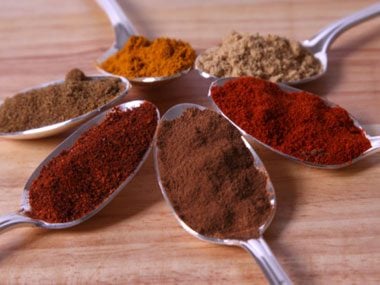
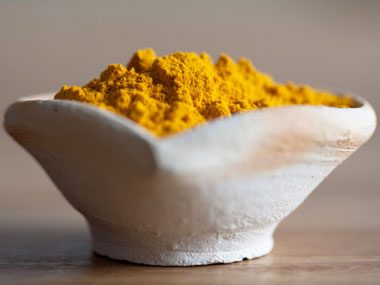
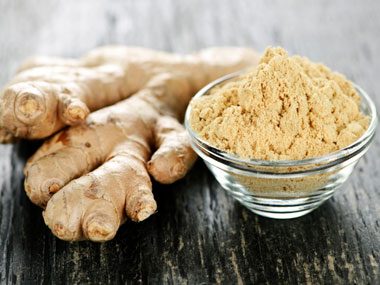
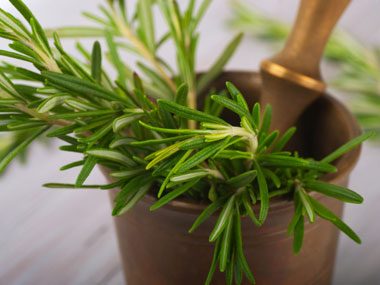
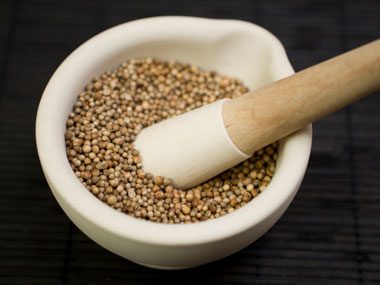
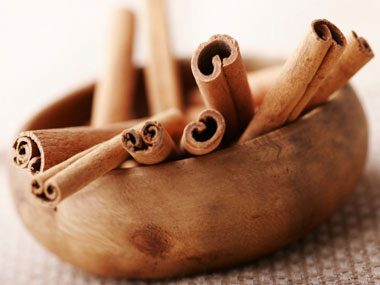
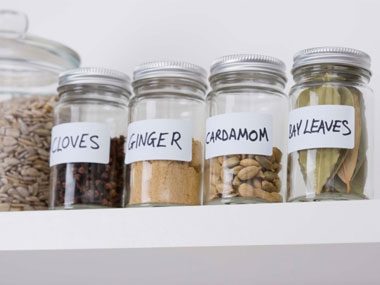
Some spices are much more than just flavor enhancers; they may help you live a healthier life as well.


Monday, February 4, 2013

Promote a Healthy Mind for Success - My Mad Methods

Promote a Healthy Mind for Success

Shannon Clark, Promote a Healthy Mind for Success
Almost every one of us who is at this website has some vested interested in training the body. Whether you are looking to build muscle mass, lose fat, increase your endurance capacity, or simply break into that new workout program that you've been telling yourself you'd get to for years, you're on the hunt for body training information.

You read about how to eat to make your muscle grow, you read about the best type of cardio to melt off those love handles that seem to have taken up permanent residence at your sides, and you read about new training techniques that will send your strength levels through the roof.

Today we're not here to talk about muscle fibers though, nor are we going to talk about just why those fat cells are so incessant with their attachment to your body. We're not going to discuss how much protein is optimal if you're trying to lose fat, and we most certainly are not looking at why steady state cardio sucks - because heaven knows there are enough articles on that already.

Today we are here to talk about training an entirely different part of your body - your brain. Yes, that's right, if you want to get optimal results from your training, you need to consider your mental state.

If you've ever had one of those times where you cannot remember where you put your keys if your life depended on it, only to figure out a few minutes later that you are, in fact, holding them in your hand? Don't feel too bad, we've all done it (although I'm sure some of you reluctant to admit to it).

Mental fuzziness or 'brain fog' is something that happens - especially when initially starting a low-carb diet. For some of us, it happens a whole heck lot more often than for others. If this is you and you're finding yourself a little embarrassed at your mental absentmindedness, then you definitely need this information.

For the rest of you, these are still things you need to consider. For the amount of time some of us spend training our bodies, it only makes sense to make sure your brain is in top notch condition as well.

1. Chow Down On Almonds

You likely know that nuts provide a health source of dietary fat - which is a must to keep hormone levels optimal and keep your body running properly. If you make the choice of almonds, you'll also be improving your memory (should help for that key problem described earlier).

To max out the benefits almonds provide, opt for almond oil mixed with milk. This combination in particular is going to especially enhance your memory ability.

2. Mix Your Creatine With Apple Juice

Most people are into the habit of taking their creatine with some form of liquid carbs since this will dramatically increase the rate at which it's delivered to the muscle tissue. To one-up the benefits you'll receive, opt for apple juice.

Apple juice contains acetylcholine, a neurotransmitter in the brain that also serves to boost your memory power. If you don't take creatine, then just start making a cup of apple juice part of your day.

3. Turn Off Late Night TV

Researchers have noted that the single biggest determinant of how well students do in their courses at Harvard is not how hard they study, nor is it their natural intelligence ability. It's how much they sleep. Your sleep really does have that big of an effect when it comes to your ability to think, remember, and process information.

Do yourself a big favor this coming week and cut that last hour of late-night TV out. Your mind will thank you many times over.

4. De-Stress Yourself dot

From all that reading you've done on fat loss and cortisol, you may already know that stress causes your body to release more cortisol, and this cortisol then makes that stomach fat really cling on for dear life. For that reason alone you should be doing whatever you can to relieve your stress.

Now, in addition to that, stress also is a downer when it comes to memory. If you're highly stressed, chances are you're going to be forgetting things - which will then only add to the stress! Talk about an unpleasant cycle. Finding activities to do that reduce your stress levels is critical for optimal brain health. Whatever does it for you, do it often.

5. Don't Eat!

Now, as far as your muscle building goals go, I wouldn't recommend not eating. BUT, as far as your memory is concerned, doing the odd fast for a day can prove to be very beneficial.

Fasting helps to clean and detoxify the body, thus removing the drain on our brain power. It also helps to rid you of negative emotions such as anger, grief, worry, and fears - all of which will create mental burdens.

It doesn't take long for the benefits to kick in here - one day is definitely enough, and not to worry, your muscles won't be eaten away with one day of fasting. Don't believe me? Check out some of the Intermittent Fasting stories out there. Some of these guys get phenomenal results from eating within a four to six hour window and fasting for the remainder of the day.

6. Do Mental Exercise

Your body needs regular exercise, as does your mind. As the old saying goes, if you don't use it, you lose it. This couldn't be truer. Getting your mind involved on a regular basis in tasks that are mentally stimulating will go a long way towards keeping your mind sharp and improving your memory.

Some good activities to do include scrabble, crossword puzzles, learning new hobbies or skills, or strategy computer or video games.

7. Take Up Meditation

Many bodybuilders would never consider meditation as they crave more intense activities. Do not underestimate the rewards meditation can offer though.

First, it will help reduce stress. As we discovered earlier, stress plays a primary role at keeping a lean waist, as well as increasing your memory ability.

Further, meditation will also help to lower blood pressure, slow your respiration rate, and decrease muscle tension - all of which will work towards improving your health and your workouts.

8. Cut Back On Sugar

It's no secret that if you're trying to optimize your body composition, sugar should be removed from your diet as best as possible. Apart from the pre-and post-workout periods, sugar is going to cause a spike in insulin, sending your blood sugar levels up for a big high, followed by a big crash. Not only does this wreak havoc on your energy levels but it can also cause you to store more body fat.

In addition to this, when that crash happens, many of us will experience a variety of mental defects including memory loss, claustrophobia, and intense feelings of sleepiness.

To stay on a steady keel, opt for whole grains rather than processed foods and use Stevia or another artificial sweetener when needed.

9. Change To Whole Wheat

Apart from the difference in fiber, when you eat whole wheat you'll also be getting a good dose of lecithin, which helps prevent the arteries from growing hard. If this happens, you can see a decrease in mental functioning, so it's critical to take steps to decrease the chances that this happens.

10. Don't Avoid Night-Time Eating

Far too many people out there are still stuck in the mindset that eating before bed will make you gain weight. This couldn't be further from the truth. Sure, if you eat excess calories at night you will gain weight, but if these calories are worked into your daily total, they will not have any effect on your ability to shed the pounds.

Even more is that eating at night, provided it's a light meal and consists of milk, meat, or whole grains, can actually help you sleep better, reduce stress and improving brain function.

11. Sex

Like you needed another reason to have more sex! But, in addition to stress relief, sex also serves to strengthen our brain. When you're highly sexually creative, it will increase your daytime imagination, which is correlated with better performance when it comes to visualization and tasks involving associations.

So, going back to that hour of TV, why not decrease it yet another hour and engage in some physical exercise apart from the gym.

12. Take A Vitamin B-Complex

Finally, the last way to promote healthy thinking will be ensuring you are getting enough of the vitamin B-complex.

This nutrient is found most commonly in vegetables, whole grains, turkey, liver, potatoes, and tuna. In addition to supporting a healthy brain, it's also going to work towards optimizing the metabolism, maintaining healthy skin and muscle tone, improving the immune system response, and promote cell growth and division.

One thing to note though is that you'll want to stay away foods high in starch or white bread, as these tend to deplete the vitamin B complex from the body.

Conclusion

So, evaluate your diet and lifestyle. Are you doing everything you can to take care of a healthy mind? If not, write these down - you don't want to forget them!


Author Information
Shannon Clark, Fitness UncoveredShannon Clark is a fitness and nutrition freelance writer and trainer. She has a degree in Physical Education, specializing in Sports Performance and has appeared in such magazines as Iron Man, Bodybuilding.com, Askmen.com, and Her Active Life. Find out more at www.FitnessUncovered.com


http://www.mymadmethods.com/articles/mindset-articles/187-promote-a-healthy-mind-for-success


Sunday, February 3, 2013

Elbow Pain - WebMD

Jason N. here is your request for a post on elbow pain.  I have included the following article and videos showing exercises for pain relief.  Hope that you find this helpful. 
-FC

Elbow Pain 


How is the elbow designed and what is its function?


The elbow is the joint where three long bones meet in the middle portion of the arm. The bone of the upper arm (humerus) meets the inner bone of the forearm (ulna) and the outer bone of the forearm (radius) to form a hinge joint. The radius and ulna also meet in the elbow to allow for rotation of the forearm. The elbow functions to move the arm like a hinge (forward and backward) and in rotation (twisting outward and inward). The biceps muscle is the major muscle that flexes the elbow hinge.

The triceps muscle is the major muscle that extends the elbow hinge. The outer bone of the elbow is referred to as the lateral epicondyle and is a part of the humerus bone. Tendons are attach to this area which can be injured, causing inflammation or tendinitis (lateral epicondylitis, or "tennis elbow"). The inner portion of the elbow is a bony prominence called the medial epicondyle. Additional tendons from the muscles attach here and can be injured, causing medial epicondylitis, "golfer's elbow." A fluid-filled sac (bursa), which serves to reduce friction, overlies the tip of the elbow (olecranon bursa). The elbow can be affected by inflammation of the tendons or the bursae (plural for bursa), or conditions that affect the bones and joints, such as fractures, arthritis, or nerve irritation.

What injuries can cause elbow pain?

Tendinitis

  • Lateral Epicondylitis (Tennis Elbow)

    The lateral epicondyle is the outside bony portion of the elbow where large tendons attach to the elbow from the muscles of the forearm. These tendons can be injured, especially with repetitive motions of the forearm, such as using a manual screwdriver, washing windows, or hitting a backhand in tennis play. Tennis elbow results with inflammation of the tendons causing pain over the outside of the elbow, occasionally with warmth and swelling, but always with local tenderness. The elbow maintains its full range of motion, as the inner joint is not affected, and the pain can be particularly noticed toward the end of the day. Repeated twisting motions or activities that strain the tendon typically elicit increased pain. X-rays are usually normal, but can reveal calcium deposits in the tendon or reveal other unforeseen abnormalities of the elbow joint.

    The treatment of tennis elbow includes ice packs, resting the involved elbow, and anti-inflammatory medications. Anti-inflammatory drugs typically used include aspirin and other nonsteroidal antiinflammatory drugs (NSAIDs) such as naproxen (Naprosyn), diclofenac (Voltaren), and ibuprofen (Motrin). Bracing the elbow can help. Simple braces for tennis elbow can be found in community pharmacies and athletic goods stores. Local cortisone injections are given for persistent pain. Activity involving the elbow is resumed gradually. Ice application after activity can reduce or prevent recurrent inflammation. Occasionally, supportive straps can prevent reinjury. In severe cases, an orthopedic surgical repair is performed.

  • Medial Epicondylitis (Golfer's Elbow)

    Medial epicondylitis is inflammation at the point where the tendons of the forearm attach to the bony prominence of the inner elbow. As an example, this tendon can become strained in a golf swing, but many other repetitive motions can injure the tendon. Golfer's elbow is characterized by local pain and tenderness over the inner elbow. The range of motion of the elbow is preserved because the inner joint of the elbow is not affected. Those activities which require twisting or straining the forearm tendon can elicit pain and worsen the condition. X-rays for epicondylitis are usually normal but can indicate calcifications of the tendons if the tendinitis has persisted for extended periods of time.

    The usual treatment involves ice packs, resting the elbow, and medications including aspirin and other NSAIDs. Examples of NSAIDs include naproxen (Naprosyn), diclofenac (Voltaren), and ibuprofen (Motrin). With severe inflammation, local corticosteroid (cortisone ) injections are sometimes given. Using a strap can prevent reinjury. After a gradual rehabilitation exercise program, return to usual activity is best accompanied by ice applications after use. This helps to avoid recurrent inflammation.

Olecranon Bursitis


Olecranon bursitis (inflammation of the bursa a the tip of the elbow) can occur from injury or minor trauma, as a result of systemic diseases such as gout or rheumatoid arthritis, or can be due to a local infection. Olecranon bursitis is typically associated with swelling over the tip of the elbow, while range of motion of the inner elbow joint is maintained.

Broken Elbow


The bones of the elbow can break (fracture) into the elbow joint or adjacent to the elbow joint. Fractures generally require immobilization and casts and can require orthopedic pinning or open joint surgery.

Elbow Sprain


A sprain is a stretch or tear injury to a ligament. One or more ligaments can be injured during a sprain. This might occur when the elbow is hyperextended or simply jammed, such as in a "stiffarm" collision. The severity of the injury will depend on the extent of injury to a single ligament (whether the tear is partial or complete) and the number of ligaments involved. Treatment involves rest, ice, immobilization, compression, and anti-inflammation drugs.

What are diseases and conditions that can cause elbow pain, and how are they treated?

Arthritis of the Elbow


Inflammation of the elbow joint (arthritis) can occur as a result of many systemic forms of arthritis, including rheumatoid arthritis, gouty arthritis, psoriatic arthritis, ankylosing spondylitis, and reactive arthritis (formerly called Reiter's disease). Generally, they are associated with signs of inflammation of the elbow joint, including heat, warmth, swelling, pain, tenderness, and decreased range of motion. Range of motion of the elbow is decreased with arthritis of the elbow because the swollen joint impedes the range of motion.

Cellulitis


Inflammation of the skin related to infection (cellulitis) commonly occurs as a result of abrasions of the skin. When abrasions or puncture wounds occur, bacteria on the surface of the skin can invade the deeper layers. This causes inflamed skin characterized by heat, redness, warmth, and swelling. The most common bacteria that cause cellulitis include Staphylococcus and Streptococcus. Patients can have an associated low-grade fever. Cellulitis generally requires antibiotic treatment, either orally or intravenously. Heat application can help in the healing process. Cellulitis can lead to infection of the olecranon bursa, causing olecranon bursitis, as described above.

Infected Elbow Joint (Septic Arthritis)


Infection of the elbow joint with bacteria (septic arthritis) is uncommon. It is most often seen in patients with suppressed immune systems or diabetes, those taking cortisone medications, or intravenous drug abusers. The most common bacteria that cause infection of the elbow joint are Staphylococcus and Streptococcus. Septic arthritis of the elbow requires antibiotic treatment and often surgical drainage. It is characterized by heat, swelling, warmth, redness, and pain, with limited range of motion of the elbow joint. Septic arthritis is often associated with fever, sweats, and chills.

Tumors


Bone tumors of the elbow joint are rare. Primary bone cancer can occur. It can be painless or associated with pain in the elbow joint. It is usually detectable by X-ray testing. Nuclear medicine bone scanning can also be helpful for detection.

Ulnar Nerve Entrapment


The ulnar nerve is the "funny bone" nerve which travels between the tip of the elbow and the inner elbow bone. At this site, the nerve can be "pinched" by normal structures or swollen structures after injury. This pinching is referred to as entrapment. When ulnar nerve entrapment occurs, numbness and tingling of the little and ring finger of the hand may be felt. Pain may occur in the entire forearm, usually the inner side. Hand dexterity can be affected. Sometimes, the numbness is reproduced by elevating the hand. Treatment consists of avoiding repeated trauma or pressure to the elbow area and resting the elbow joint. Occasionally, ice can help. In severe cases, surgical repositioning of the ulnar nerve can be required. This relocates the ulnar nerve to a position where it will not be continually compressed by the surrounding structures.

Elbow Pain at a Glance


  • The elbow joint is the area where three long bones come together.
  • Tendinitis can affect the inner or outer elbow.
  • Treatment of tendinitis includes ice, rest, and medications for inflammation.
  • Bacteria can infect the skin of the scraped (abraded) elbow.
  • The "funny bone" nerve can be irritated at the elbow to cause numbness and tingling of the little and ring fingers.


WebMD Medical Reference
Reviewed by Jeffrey S. Beitler, MD on October 14, 2011


http://www.webmd.com/pain-management/guide/elbow-pain?page=3


************************************************************************************

Golfer's Elbow Exercises - Elbow Pain Treatment


 Tennis Elbow Exercises


Tennis Elbow Exercise: Treatment for Pain in the Outer Elbow


Stretching Exercise for Tennis Elbow and Extensor Muscles in the ...


Exercises For The Elbow


Saturday, February 2, 2013

5 Tips for Treating Shoulder Pain - HealthCentral

5 Tips for Treating Shoulder Pain


Very few joints in the body work harder than the shoulder joint. Pushing, pulling, reaching, lifting; the shoulder does it all. And all that work can lead to a painful problem like rotator cuff tendonitis, a rotator cuff tear, shoulder bursitis, or shoulder arthritis. How can you keep that shoulder moving comfortably and get through some shoulder aches and pains? By Christina Lasich, MD

Icing
 
Icing
When icing your shoulder, especially an inflamed rotator cuff, place the hand of the same limb behind your back. This "back-pocket" position exposes the shoulder tendons which hide underneath the shoulder bone (the acromion) to the ice. The ice pack (like a sack of frozen peas) is positioned slightly forward near the collarbone. Leave the ice on the area for 15 to 20 minutes.

Massage

 
Massage
After icing an inflamed rotator cuff, find the most painful spot and rub it against the grain. This age-old technique is called cross-fiber friction massage. Try rubbing back and forth for one minute a few times per day to help eliminate swelling and scar tissue formation. This massage technique does not feel good, but icing the shoulder before and after helps to numb the area before applying the painful friction massage.

Rebalance

 
Rebalance
The biggest reason that shoulders develop so many problems is that these joints get out of balance. As the front (anterior) chest muscles like the pectoral muscles become shortened and stronger over time, the back (posterior) chest muscles like the rhomboids get weaker and stretched. By stretching the front muscles and strengthening the back muscles, the shoulder joint can be rebalanced.

Shrug

 
Shrug
Many folks have drooping shoulders. For some drooping shoulders cause problems like stretching the sensitive nerves in the area. By shrugging the shoulders before lifting, your protective muscles are engaged and minimizing the tension on the nerves. Eventually, a strengthening program for your trapezius muscle can help eliminate the drooping shoulders.

Resting

 
Resting
Such a hard working joint like the shoulder joint needs a rest once and a while. Using arm rests on a chair can help a great deal to ease the work load. Even putting your hands in the pockets of your jacket or pants relieves the weight of the arms off the shoulders. And in order to rest the rotator cuff, you should also keep your elbows at your sides.


http://www.healthcentral.com/chronic-pain/cf/slideshows/5-tips-for-treating-shoulder-pain/icing/?ap=825